Three Strategic Shifts That Separate Managers from Directors
Most senior managers who get promoted aren't the best at their jobs.
They're the best at strategic visibility.
The difference between staying stuck at the senior manager level and advancing to director isn't about working harder. It's about managing up to the entire leadership system, not just one boss.
After coaching over 200 senior leaders across 150+ Fortune 500 companies, a clear pattern emerges: the managers who advance fastest understand one critical truth.
If you want to get promoted to director, you need to stop managing your boss and start managing the entire leadership team above you.
The Common Mistake That Keeps Managers Stuck
Consider this scenario:
A product manager at a global tech company is completely burned out. Working all hours. Team performance is stellar. Boss constantly praises the work.
Yet two years pass with no promotion while colleagues advance.
What's the problem?
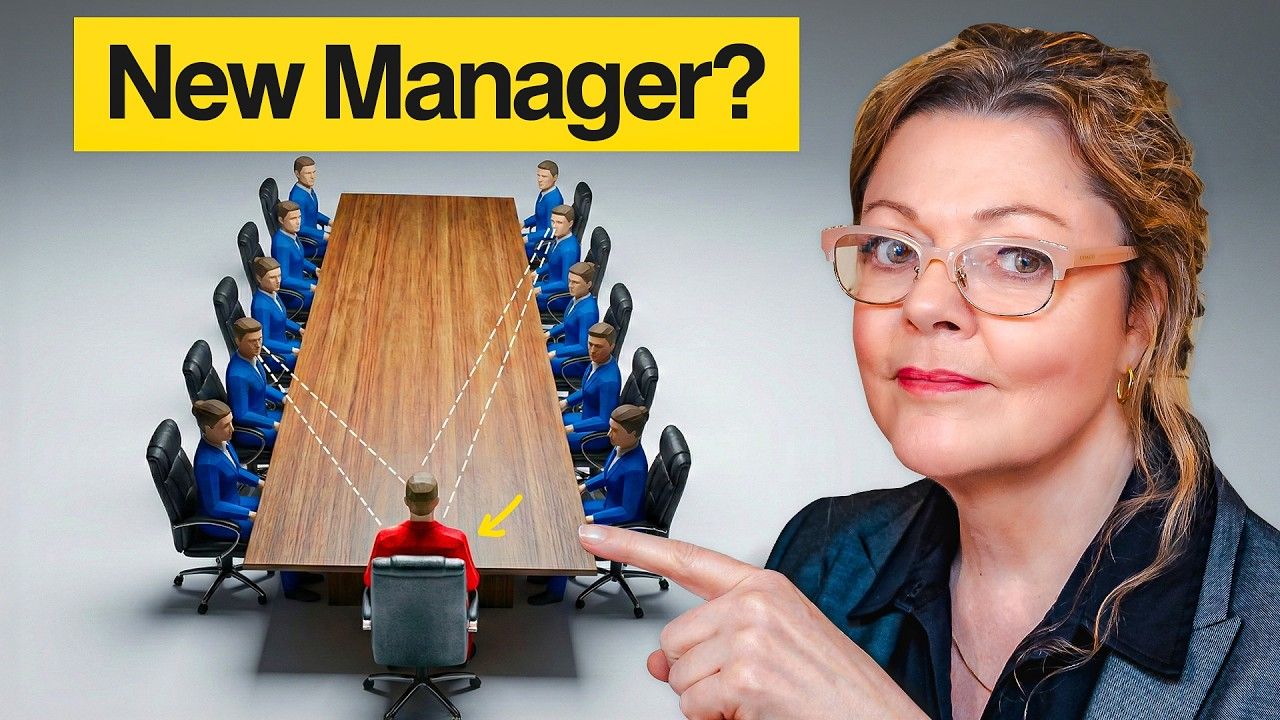
Managing up to only one person when you need to be managing up to five.
This isn't about politics. It's about strategic positioning in a leadership system.
Here are the three strategic shifts that turn senior managers into director-level candidates.
Strategy #1: Own Your Strategic Narrative (Not Just Give Updates)
Most managers wait to be asked for updates. Director-level candidates take charge of what leadership knows about their work.
The Advantages of Controlling Your Narrative:
Position Your Message Your work stands out. You get credit for what you actually did and what you want leadership to know you did. You don't leave it to chance. You don't let someone else get credit for your work.
Avoid Surprises No more sudden requests for updates in meetings. You've already updated them. Strategically. Not blathering on about everything you've done. Conveying what they care about.
Build Confidence Think back to high school. When you only did half the assignment, you raised your hand five times at the beginning of class for everything you knew. By the time the teacher got to the part you didn't know, they were sick of calling on you and moved on to someone else.
That's strategic visibility.
Free Up Your One-on-One Time When you handle tactical updates proactively, your one-on-one time can focus on strategy and career conversations.
Too many managers say: "I worked up the courage. I had a plan. I got with my manager one-on-one. By the time we were done with their agenda and all the updates, there was no time left for the conversation I really wanted to have."
Don't let that be you.
Be strategic with your narrative. Create opportunities for conversations about what you're aiming for and how your manager can help you get there.
Strategy #2: Build Your Stakeholder Map
This is not just about your relationship with your boss.
You need allies at the top.
Look up and out. Figure out who your critical allies are for promotion when you're not in the room.
The Stakeholder Mapping Process:
1. Brainstorm Everyone Who Could Be in That Room Who makes promotion decisions? Who influences those people? Map out who you're going to focus on.
2. Build Strong Allies You need people who know you well. Who enjoy working with you. Who have seen your ideas in action.
These allies can second your manager's recommendation. Make it easy for them.
Your manager might be in the room saying, "Yes, this person is worth promoting." But they need two or three other people to agree with them.
3. Align Your Goals with Company Strategy
Here's a cautionary tale:
A senior manager was shouting at the top of his lungs about user experience improvements. The problem? Those improvements didn't align with the company's stated strategy.
That misalignment kept him stuck for two years.
The bottom line: You've got to align your goals with your company's stated strategy. Not just make functional improvements.
If what you're doing isn't leading up to what the company wants to do, it's a waste of time. More is not always better. You can burn yourself out that way.
Strategy #3: Navigate the Leadership Chain
This means respecting the chain of command while building relationships across it.
The Rules:
Never Go Around Your Boss Keep them in the loop on any skip-level interactions. When you're interacting with their peers, it matters what you say. It matters that they're in the loop.
They don't want you going around them. Even worse? Going up to their boss without them being in on it.
Make them part of this.
Cautionary Tale:
One manager badmouthed their boss to a skip-level. They ended up in HR.
Don't do that.
Think of Skip Levels as Mentors Understand their broader vision. Understand their challenges.
When you talk to people above your manager, you want to understand what the broader vision is and what their challenges are. That way, they want to engage with you. They get something out of it.
Managing Multiple Stakeholders
What if you've got several stakeholders above your manager that you're interacting with frequently? You're under a lot of pressure. You don't know who to prioritize.
Consider this approach:
A director of operations had five different stakeholders. His entire department was burning out. Redlining.
The solution? A capacity spreadsheet.
Presenting data showing which projects would fail and how his team was redlining allowed his manager to negotiate on his behalf.
When leadership understood what he was up against, he got more resources.
The Remote Challenge
Networking above is especially difficult in remote or hybrid situations.
You have to increase the time you overlap in person when possible. Proximity has influence.
If you're constantly somewhere else, it's much more difficult to influence above your manager because you're not in regular one-on-ones with them.
Figure that out.
The Bottom Line
The three strategic shifts that separate senior managers who stay stuck from those who advance to director level:
- Own your narrative (don't just give updates)
- Build your stakeholder map (allies at the top matter)
- Navigate the entire leadership chain (not just your boss)
This isn't about politics. It's about strategic positioning in a leadership system.
Your technical skills got you to senior manager. Your strategic visibility will get you to director.
The question is: Are you managing up to one person or five?
Because that's the difference between staying stuck and getting promoted.
Ready to make the shift? Start mapping your stakeholders today. Let's connect.